Foundry theme
Resource

What are AI agents?
A model in a loop.

The word “agent” is used for everything from a chatbot with a persona to a system that files your tax return. The useful definition is narrower and mechanical: an agent is a model that can decide what to do next, do it, look at the result, and go again.

THE DEFINITION

A chatbot takes a message and returns a message. A workflow runs a fixed sequence of steps that someone designed in advance. An agent sits between them: the model chooses the steps, at runtime, from a set of tools it has been given, and keeps going until a goal is met or a limit is hit.

That loop — decide, act, observe, repeat — is the whole thing. Everything else on this page is about what you put inside it and what you put around it.

THE PARTS
01

The model

The reasoning step. Typically a current frontier model from Anthropic, OpenAI or Google, or an open-weight equivalent where data has to stay inside your perimeter. The choice is a constraints question, not a leaderboard question.
02

Tools

Functions the model may call: query a database, read a ticket, draft an email, run a search. Each tool has a typed interface, and the set of tools is the agent’s entire action space. What it cannot call, it cannot do.
03

State

Unlike a single chat session, an agent can keep state across runs — in a database, a document store or a vector index. Memory is useful, not definitional: many production agents are stateless per run and are better for it.
04

Planning and stopping

The capacity to break a goal into steps, notice when a step failed, and try something else — plus a hard limit on turns, spend and time. An agent without a stopping condition is a bill.
MULTI-AGENT REVIEW

A single agent that researches, writes and checks its own work has no independent check. The common fix is to split the roles: in a sales SDR design, for instance, a researcher agent gathers facts about an account, a writer drafts the message, and a critic reviews the draft against the brief and your guidelines. Nothing is sent unless the critic passes it.

This does not make the output correct. It makes each stage inspectable, so when something goes wrong you can see which step produced it — which is the property that matters when you are debugging at three in the morning.

QUESTIONS
QUESTIONS — 3

An LLM turns text into text. An agent is the software around it: a loop, a set of tools, a stopping condition and a record of what happened. The model is the reasoning step; the agent is the system.

They sit on a spectrum, and where you put them is a design decision. For actions with legal or financial exposure the approval step should stay: the agent drafts, a person releases. Autonomy can widen for low-risk actions as measured accuracy supports it, not as confidence grows.

When the steps are known in advance. A fixed workflow with a model call inside it is cheaper, faster and easier to test than an agent deciding the same steps at runtime. Reach for the loop when the path genuinely varies per case.

Keep reading
30-minute technical call · no deck

Decide, act,
observe, repeat.

If you can describe the loop and the boundary, you can describe the project. Bring the process you want automated.

CASE STUDIES

Shipped work.
Go and check it.

The work we can name, with the live site, our scope and the boundary made explicit. Select a project to see the evidence; each is a full case study, not a logo or a claim.

sonora.com
The Sonora homepage on desktop: a full-bleed dune landscape behind the headline “Transform Your Life with Sound”, with App Store and Google Play download buttons.
sonora.com — homepage, 1440×900 sonora.com →
Live Consumer wellness · Mobile + web

Sonora

Cognitive AI Ltd · 2026

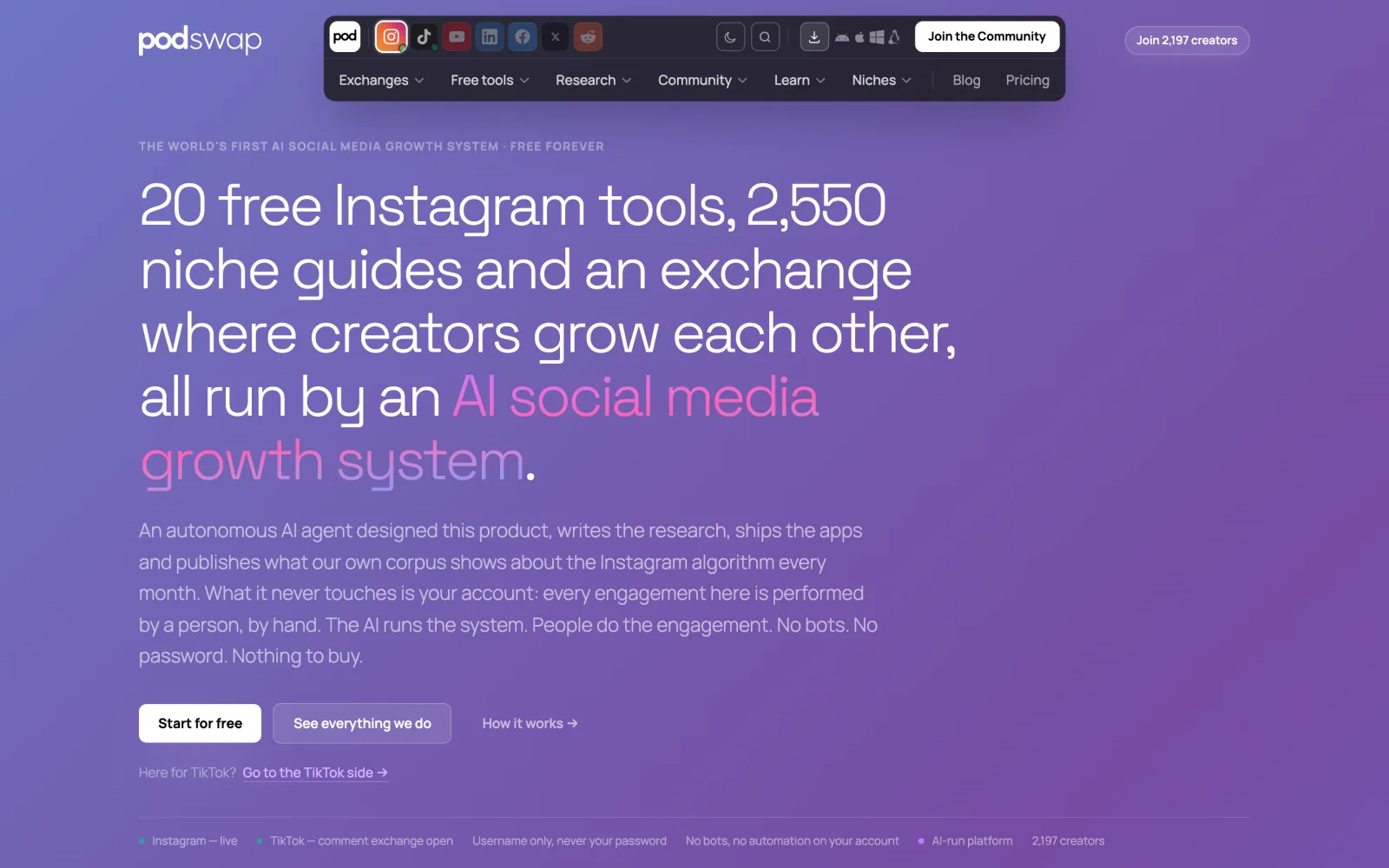
A free sound-wellness app, described by its publisher as AI sound therapy that reads a short vocal sample at the start of a session and generates a soundscape for that moment. We designed and built the website and its backend, produced assets for the iOS and Android apps, and supported the application prototype.

Read the case study →

See every published project →

WHO WE HAVE BUILT FOR

Twenty-one years of applications, platforms and campaigns for names you know.

See all of our work →