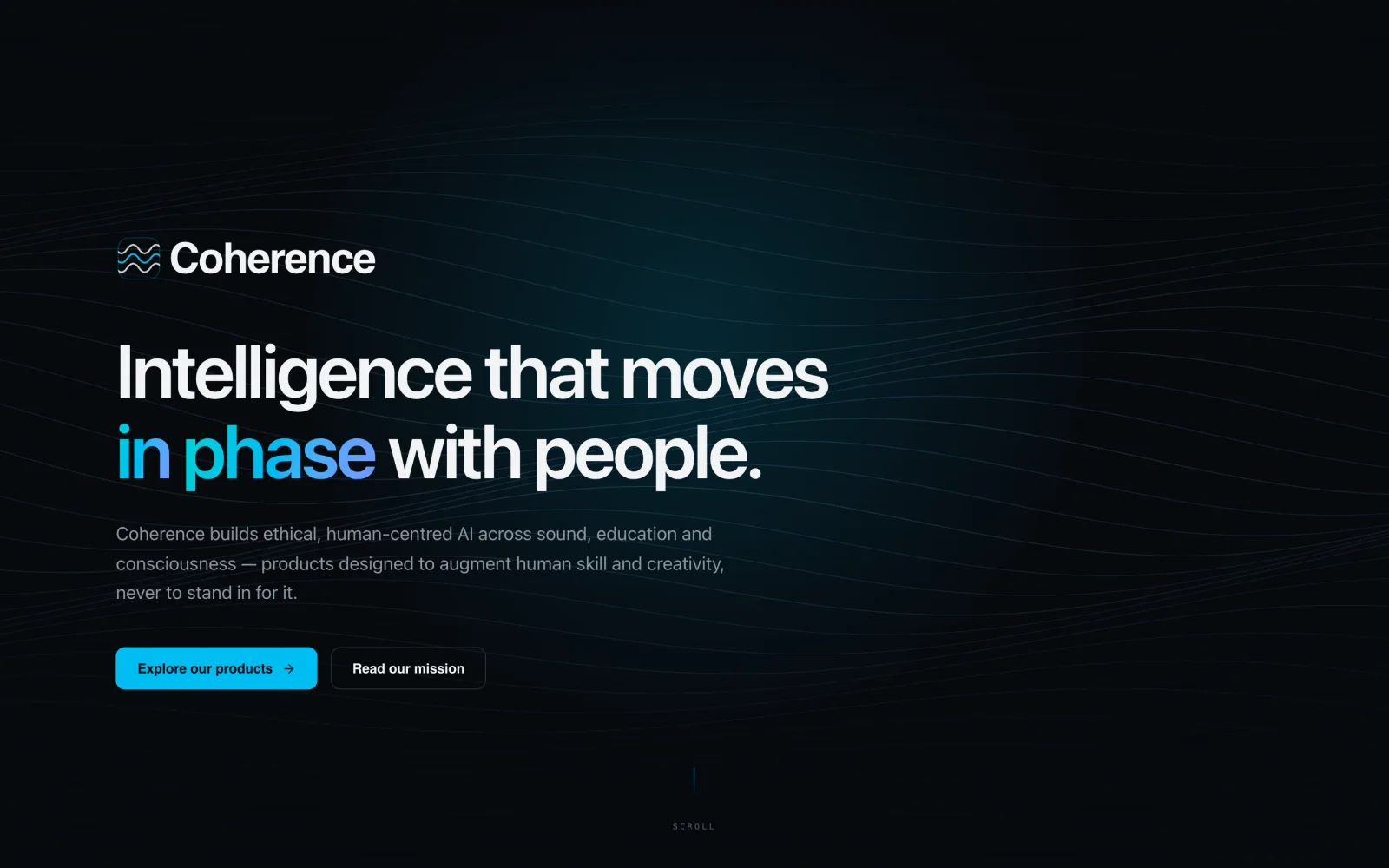
Foundry theme
Trust

The model supply chain.
Vetting what you import.

Every organisation deploying AI is deploying an artefact produced by someone else, from data they cannot inspect, by a process they cannot audit. That is uncomfortable and it is also the normal condition of every dependency you already ship.

WHAT CAN AND CANNOT BE ASSURED

Start with the honest boundary, because a framework that promises more than it delivers is worse than none. For frontier-class models you cannot audit training data — open or closed, of any origin. A handful of fully open research models publish their data; none of the frontier models do. Anyone offering that assurance for a frontier model is describing something that does not exist. If your threat model genuinely requires provenance of training data, no current model satisfies it and the conversation is about whether to deploy at all.

What you can do is substantial and is what a defensible assessment consists of: pin a specific artefact and verify its hash; know who produced it and under what licence; test its behaviour against your own material including the cases you are worried about; control where it runs and what it can reach; and detect if any of that changes. That is a real assurance posture and it is typically achievable in a couple of weeks.

THE ASSESSMENT
01

Provenance

Who trained it, in which jurisdiction, under what corporate control. Which exact version and weights file, verified by hash. Where you obtained it and whether that source is authoritative — a model downloaded from an unofficial mirror is an unverified binary from the internet.
02

Licence

What the terms permit: commercial use, modification, fine-tuning, distillation, redistribution, embedding in a product you sell. Whether any thresholds or attribution obligations apply. Recorded against the deployment, not just read once.
03

Behaviour

Tested on your own material, including the topics you are concerned about. Every aligned model has behavioural characteristics reflecting its training and its origin; the question is whether they matter for your workload, and that is an empirical question you can settle.
04

Operation

Who runs the endpoint. For a hosted model this is a third-party processor assessment. For self-hosted weights it is you, which is a materially different and usually simpler review — and it is the distinction most often blurred in vendor conversations.
05

Containment

What the model can reach: network access, tool permissions, data scope. A model is not trusted code; it is an untrusted component whose outputs are constrained by the layer around it. Containment is where assurance is actually implemented.
06

Change detection

If you self-host, the artefact does not change unless you change it — which is a genuine assurance advantage. If you use a hosted model, behaviour can shift within a version, and a continuously running evaluation set is the only way you will notice.
THE COUNTRY-OF-ORIGIN QUESTION

This usually arrives about models of Chinese origin and it deserves a structured answer rather than either dismissal or alarm. Separate it into three, because they have different answers.

Data transfer — closed completely by self-hosting. Weights are a file; they transmit nothing, and on an isolated network they could not — provided you also review any code shipped alongside them. This is the question people most often mean and the one most easily resolved.

Behaviour — testable on your own material, and workload-dependent. Every model from every jurisdiction has been aligned by someone with a view; the differences are measurable and for most business tasks immaterial. Test rather than assume, in either direction.

The artefact itself — partially assurable, as set out above, and no more or less so than for any other model. This is where the honest answer is uncomfortable and where it is identical regardless of origin.

And where an organisation has a standing policy on model origin, that policy is the answer. It is a governance decision owned by people who own the risk, and our job is to build within it rather than to argue against it.

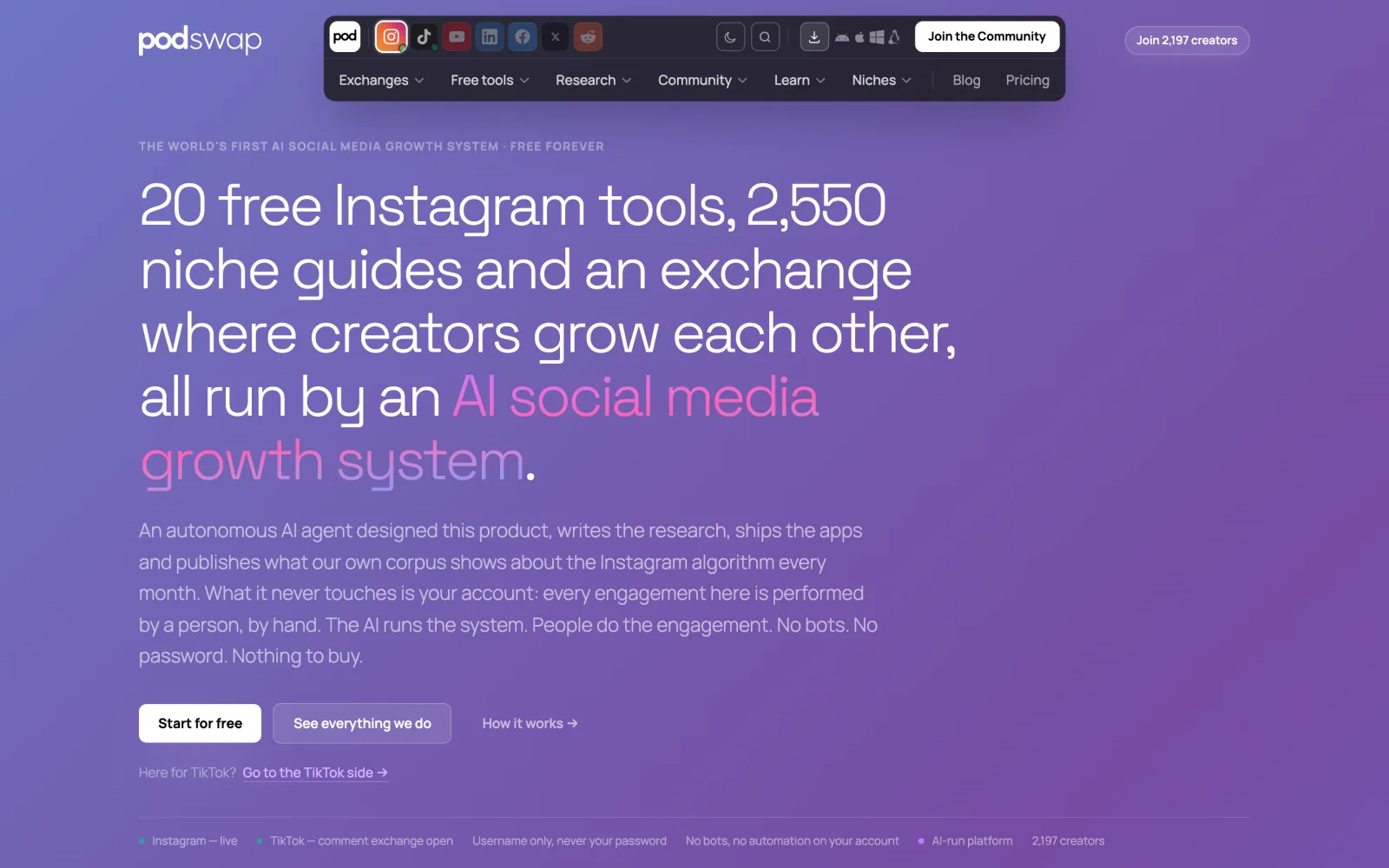
QUESTIONS
QUESTIONS — 3

Different risks, and for regulated organisations often lower overall. You take on verifying and operating the artefact; you remove a third-party processor from the data path entirely and gain the ability to pin a version indefinitely. Which trade is better depends on your risk register, and both are defensible.

Ask for it — some providers publish useful documentation of architecture, data sources and evaluations. Do not expect it to be complete or verifiable for any frontier-class model, and do not build a control that depends on it being so.

A short record per deployed model: version and hash, source, licence, behavioural tests run and their results, where it runs, what it can reach, and who approved it. Two pages, updated on change. It takes about an afternoon and it is what turns a defensible decision into an evidenced one.

Keep reading
30-minute technical call · no deck

Two pages,
one afternoon.

A documented model assessment is what turns a defensible decision into an evidenced one. We produce it as part of the build.

CASE STUDIES

Shipped work.
Go and check it.

The work we can name, with the live site, our scope and the boundary made explicit. Select a project to see the evidence; each is a full case study, not a logo or a claim.

sonora.com
The Sonora homepage on desktop: a full-bleed dune landscape behind the headline “Transform Your Life with Sound”, with App Store and Google Play download buttons.
sonora.com — homepage, 1440×900 sonora.com →
Live Consumer wellness · Mobile + web

Sonora

Cognitive AI Ltd · 2026

A free sound-wellness app, described by its publisher as AI sound therapy that reads a short vocal sample at the start of a session and generates a soundscape for that moment. We designed and built the website and its backend, produced assets for the iOS and Android apps, and supported the application prototype.

Read the case study →

See every published project →

WHO WE HAVE BUILT FOR

Twenty-one years of applications, platforms and campaigns for names you know.

See all of our work →