Dark theme
WELCOME TO QQUANTUM

Let Qubi show you around.

Choose how you’d like to explore.

Don’t agreeGo to yourOS instead ↗

Both choices allow Google Analytics, so we can see which pages help.

Sound is your choice. Essential cookies keep the site working. Continuing either way also allows Google Analytics (visits and pages viewed).

Read our Terms, Privacy and Cookies.

Change your choices anytime from the footer.

Getting Qubi ready.
Live · 2026 · Creator tools · Web, mobile and desktop

Podswap a growth engine that runs itself.

A product built end to end.

  • Podswap
  • 2026
The updated Podswap homepage on desktop: “Grow on Instagram and TikTok for free, with real engagement from creators your size”, beside a tilted wall of exchange, tool and guide cards on a violet gradient.
The updated Podswap homepage on a phone, with its floating navigation, Instagram and TikTok engagement headline and tilted tool cards.
WHAT PODSWAP IS

Creators trade real engagement. The system does the matching.

A social-media growth engine for Instagram creators, with YouTube and TikTok to follow. We built all of it — the mark and brand, the website, the prototype, the iOS, Android, Windows, macOS and Linux apps, the AI backend that runs the system, the automated email engine, and the algorithm-intelligence reports it publishes from its own data.

Podswap connects creators who want to grow on Instagram — with YouTube and TikTok next — into niche-matched exchanges, and gives them the tooling around it: SEO and caption scoring, bio optimisation, shadowban checks, a viral predictor, engagement leaderboards and sixteen growth protocols. Podswap coordinates people; it does not automate actions on their accounts, and it is built to operate within the platforms' terms.

The interesting part for us was never the exchange. It was that the whole thing had to run without anyone operating it day to day. Matching, scoring, the growth protocols, the lifecycle email and the published research all happen in the background; moderation is automated with a human escalation path. There is no ops team behind the curtain, because there is no curtain.

The homepage carries a live member counter, so you can see the community size at the moment you look rather than at the moment we wrote this.

Scope
End to end
Live
2026
Clients
Web · iOS · Android
Windows · macOS · Linux
Operated by
The system itself
THE CONSTRAINTS THAT SHAPED IT

Four constraints did most of the shaping.

Podswap is our own company, so this is the project where our engineering opinions had to survive contact with our own money.

  • 01

    It has to work inside the platforms’ rules

    Podswap coordinates people. It does not log into anyone’s account or act on their behalf, because a growth tool that automates actions on a social platform is one policy change away from being switched off — and takes its users’ accounts with it. That boundary removed several obvious features and is the reason the product still exists.

  • 02

    Six clients, one team

    Web, iOS, Android, Windows, macOS and Linux, built by a team that cannot afford six codebases. Everything downstream of that — the framework choice, how much logic lives on the server, how little is platform-specific — follows from one decision made at the start.

  • 03

    Discovery is the product’s oxygen

    A tool for creators is found through search and, increasingly, through language models answering questions about tools. That made programmatic content a first-class part of the system rather than marketing bolted on afterwards, with the page count that implies.

  • 04

    Moderation cannot be fully automatic

    Coordinating strangers means someone will eventually behave badly. The system detects and acts automatically, but there is a human escalation path behind it, because a fully automated moderation system is a system that will eventually ban someone for nothing with no way to appeal.

WHAT WE BUILT

Seven things we built, and where our work ends.

  1. Brand — mark, identity, the lot

    The logo and the full visual identity, then applied across the product, the site, the apps and the store listings from one system.

    We built it
  2. The website and the prototype

    Prototype first to settle the product, then the production build. Laravel and Vite, with the same performance discipline applied from the first commit.

    We built it
  3. Apps on five platforms

    Android, native desktop builds for Windows, macOS and Linux, and an installable PWA that covers iOS — all from one codebase and one design system.

    We built it
  4. The AI backend that runs it

    Nobody operates it day to day: matching, scoring and the growth protocols run autonomously in the background, and moderation is automated with a human escalation path.

    We built it
  5. Automated algorithm intelligence

    A pipeline that reads post performance across the community, detects what the Instagram algorithm appears to be rewarding, and publishes a monthly report to the site with no manual writing step.

    We built it
  6. Programmatic SEO and LLM discovery

    A published surface in the thousands — niche and creator pages generated from real data — plus a maintained llms.txt so answer engines can read the product directly.

    We built it
  7. The email engine

    Lifecycle and marketing email generated and sent automatically, driven by the same backend rather than a separate marketing tool.

    We built it
  8. What we did not build

    Nothing on this one. Podswap is our own company and ours end to end — brand, website, prototype, the apps on all five platforms, the AI backend, the email engine and the algorithm-intelligence pipeline. Instagram, YouTube and TikTok are of course third-party platforms the product works alongside.

    Not ours
THE DECISIONS THAT MATTERED

Three calls, and the bills for them.

01

One codebase behind six clients.

A native team per platform produces better native applications; we could not staff that and did not pretend otherwise. The trade is real — there are places where a native app would feel more at home, and iOS in particular reaches users through an installable web application rather than a store binary. What we bought was the ability to ship a change everywhere at once, which for a small team is the difference between six products and one.

02

Programmatic content, built as a system.

The page count below is a measured figure rather than a target, and it exists because discovery was designed in from the beginning. The discipline that makes it work rather than making it spam is that each page has to answer a real question; a generator that produces near-identical pages at scale is the pattern search engines exist to discount, and we would have deserved it.

03

An algorithm-intelligence pipeline that describes rather than predicts.

The system observes what appears to be performing and reports it. It does not claim to know what any platform’s ranking is doing, because nobody outside those companies does, and a product that claimed otherwise would be selling a guess with a confident face on it.

THE PIPELINE THAT WRITES ITSELF

It reads what the algorithm rewarded, then publishes.

Every month Podswap publishes a report on what Instagram's algorithm appears to be favouring — reach momentum, performance banded by account size, which niches are moving, caption length, hashtag density, format ROI. It reads engagement signals across thousands of niches in the community and derives the findings from that data.

Nobody writes it. The pipeline reads the data, derives the findings and publishes the page. What makes it a genuinely useful artefact rather than an automation demo is that the underlying data is first-party: it is measuring the posts of the community it serves, so the conclusions are grounded in observed behaviour rather than repeated from someone else's blog post.

Read the data
  1. Ingest
    post + engagement signals
  2. Normalise
    by niche and account size
  3. Detect
    what moved, what did not
Write the report
  1. Rank
    niches, formats, habits
  2. Draft
    findings to prose
  3. Publish
    live page + sitemap

Findings with too little data behind them are held back rather than published thin — the same discipline that keeps a programmatic surface out of thin-content territory.

STACK

What it is built with.

Application
Laravel PHP 8 Blade Alpine.js
Clients
iOS Android Windows macOS Linux PWA
Delivery
Vite Self-hosted fonts nginx HTTP/2

One codebase behind six clients. Chosen for this project — we do not sell a house stack.

MEASURED

Measured performance, with the method.

Pages published
3518
JavaScript shipped
1.9KB
CSS shipped
63.9KB
HTML document
91KB
Time to first byte
585ms
Images in modern formats
14%

Measured on 16 October 2026. Taken from a cold request with Accept-Encoding pinned to gzip. Transfer sizes are compressed bytes over the wire, first-party assets only. The page count is the number of live URLs in the published sitemap. Run the commands to check them — the page count in particular is the one number that says whether a programmatic build actually shipped.

curl -sS --compressed https://podswap.app/sitemap.xml | grep -c '<loc>' curl -sS -o /dev/null -H 'Accept-Encoding: gzip' -w 'TTFB %{time_starttransfer}s HTML %{size_download} bytes\n' https://podswap.app/
SCREENS

The live site, screen by screen.

The Podswap pricing page, headed “PodSwap is free. It stays free.”, with a single Standard plan priced Free / forever — no card, no trial, no expiry — beside two columns marked LIVE listing the Instagram and TikTok tools included.
podswap.app/pricing — one plan, and it is free

The pricing page is one line long because the product has one plan and it is free. That is a consequence of the paragraph above rather than a launch promotion: with no content team, no agency and no sales floor to pay for, there is nothing for a paywall to fund.

The Podswap August 2026 Instagram algorithm report, opening on the monthly update: shareability weighted above likes, a visual-authenticity filter, and saves outranking likes.
The monthly algorithm report — written by the pipeline, not by a person
The Podswap download page offering native builds for Windows, macOS, Linux and Android.
podswap.app/download — Windows, macOS, Linux and Android from one codebase

Windows, macOS and Linux desktop builds, Android, and iOS via the installable PWA — all from the same codebase and the same design system, so a change lands everywhere rather than five times. The desktop builds matter more than they look: creators work at a desk, and a native window that survives a browser restart is the difference between a tool people open and a tab people close.

The Podswap mobile navigation open: a full-height dark panel listing Exchanges, Free tools, Research, Community, Learn and Niches with their page counts, above Blog and Pricing and a gradient Join the Community button, with a vertical platform rail down the right edge.
podswap.app — the mobile navigation open

The same site on a phone, and the navigation open over it — six sections and their page counts, with the platform rail down the edge, in one panel rather than a menu that pushes the page around. In-app screenshots of the signed-in product are not published here: the app is free, so the fastest way to see it is to install it.

Questions

Questions about this build.

What does “runs without a human” actually mean?

Matching creators into exchanges, scoring content, running the growth protocols, sending lifecycle email and publishing the monthly algorithm report all happen on their own; day-to-day moderation is automated with a human escalation path for complaints and appeals. Someone still owns the product and decides what it should do next — autonomy here means nobody operates the day-to-day, not that nobody is responsible for it. That distinction matters and we would rather draw it than let it blur.

How does a site reach thousands of pages without being thin?

By generating from real data and withholding what is not supported. Each niche page is built from actual engagement signals for that niche, not from a template with a noun swapped. Where there is not enough behind a page to be useful, it does not publish. That is the whole difference between programmatic SEO and doorway pages, and it is a discipline rather than a technique.

Why does the site publish an llms.txt?

So answer engines can read the product directly rather than inferring it from marketing copy. It costs almost nothing and it is becoming the difference between being summarised accurately and being summarised from a rival comparison page. This site does the same thing for the same reason.

Five platforms from one codebase — what is the catch?

You give up some platform-native feel in exchange for shipping everywhere at once and changing everything at once. For a tool creators use alongside their real work that is the right trade. For an app whose value is the interface itself it would not be, and we would have argued for native builds instead.

Can we see the signed-in app?

Install it — it is free on all five platforms. We do not publish screenshots of the signed-in product here because a portfolio shot of a dashboard tells you very little compared to five minutes inside the real thing.

Hire your first
AI employee.

Tell us the job you would hand over if you trusted a machine with it. In one 30-minute call we will tell you whether it should, what it would take — and if it should not, we will say so.

30-minute technical call · no deck
Shipped & in build

Real work. Check it yourself.

What we built, what stage it is at, and a link to the live thing wherever there is one.

The updated yourOS homepage: Roxy’s open ring surrounded by bento cards for calls, voice, translation, building, design, apps and more.
The yourOS homepage on a phone, with its compact navigation, welcome film button and bento cards.
youros.tech — the homepage bento hero
Our own · coming soon

yourOS

yourOS is an operating system with an AI at its heart. You talk to it like a person, out loud or typed. It makes your calls, plans your days and works on your projects with a crew of agents, on your own private server. Our own product, built from the first commit; the waitlist is open.

What we built
  • Operating system
  • Roxy
  • Agent crew
  • Voice calls
  • App store
  • Website
Meet yourOS →
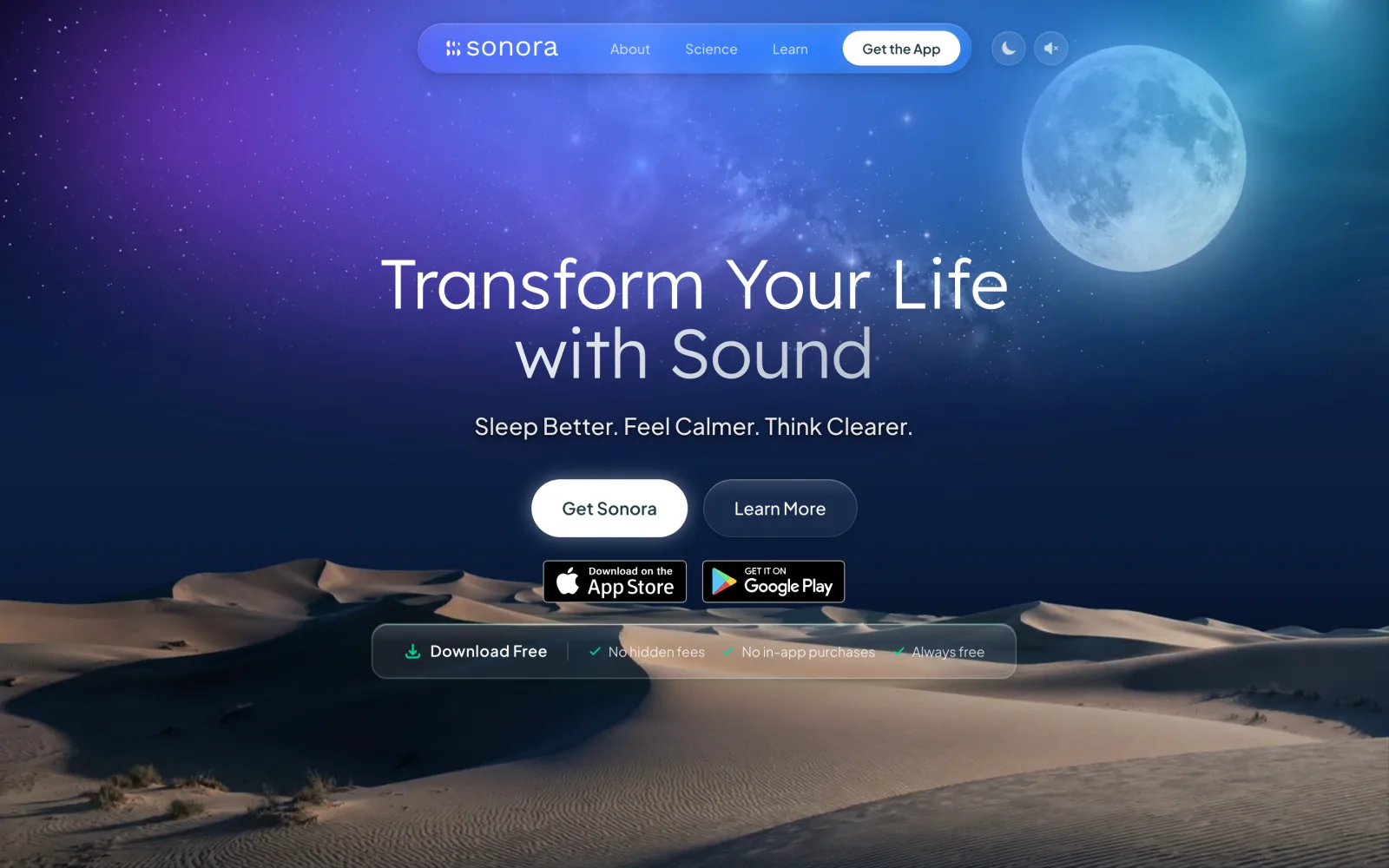
The Sonora homepage on desktop: a full-bleed dune landscape behind the headline “Transform Your Life with Sound”, with App Store and Google Play download buttons.
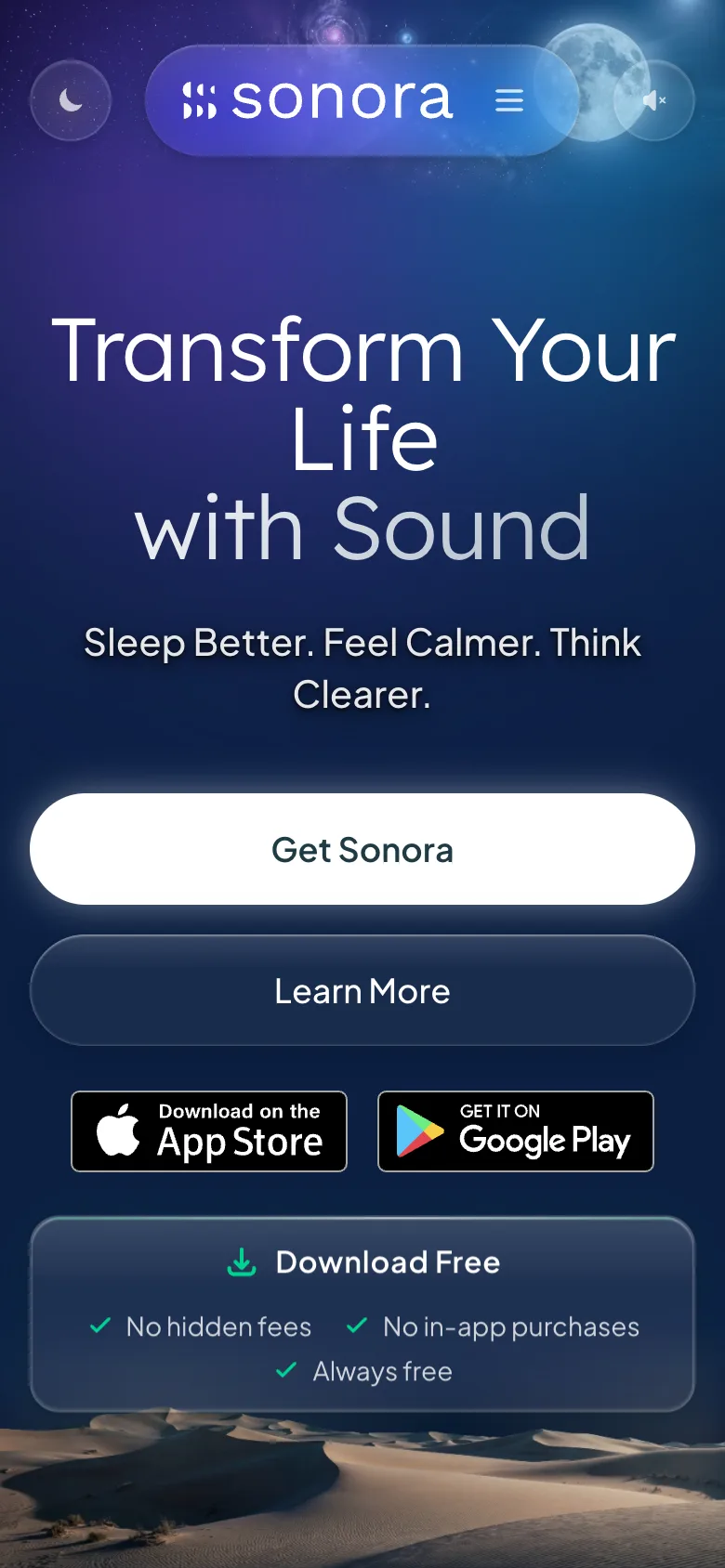
The Sonora homepage on a mobile viewport, showing the same hero reflowed to a single column.
sonora.com — homepage, 1440×900
Live · iOS · Android

Sonora

Website, backend and app assets for Sonora, a free AI sound-therapy app on iOS and Android published by Cognitive AI.

What we built
  • Website
  • Backend
  • App assets
Read the case study →
The updated Podswap homepage on desktop: “Grow on Instagram and TikTok for free, with real engagement from creators your size”, beside a tilted wall of exchange, tool and guide cards on a violet gradient.
The updated Podswap homepage on a phone, with its floating navigation, Instagram and TikTok engagement headline and tilted tool cards.
podswap.app — homepage, 1440×900
Five platforms

Podswap

Brand, website, prototype, apps on five platforms, the AI backend and the algorithm-intelligence pipeline for Podswap, a social growth engine that runs without a human in the loop.

What we built
  • Brand
  • Website
  • Prototype
  • Apps on five platforms
  • AI backend
  • Algorithm pipeline
Read the case study →
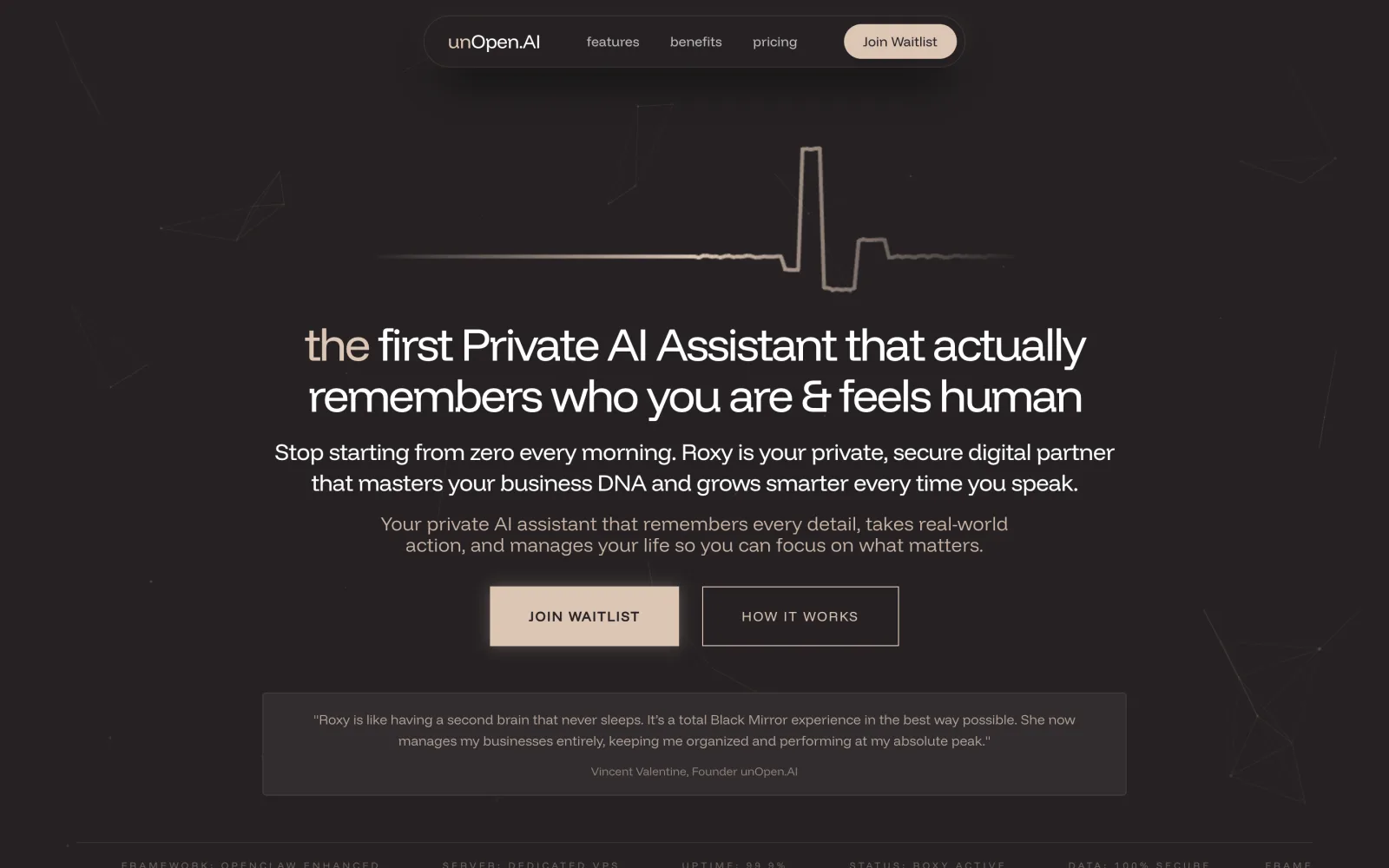
The unOpen.AI homepage introducing Roxy, a private AI assistant that remembers who you are.
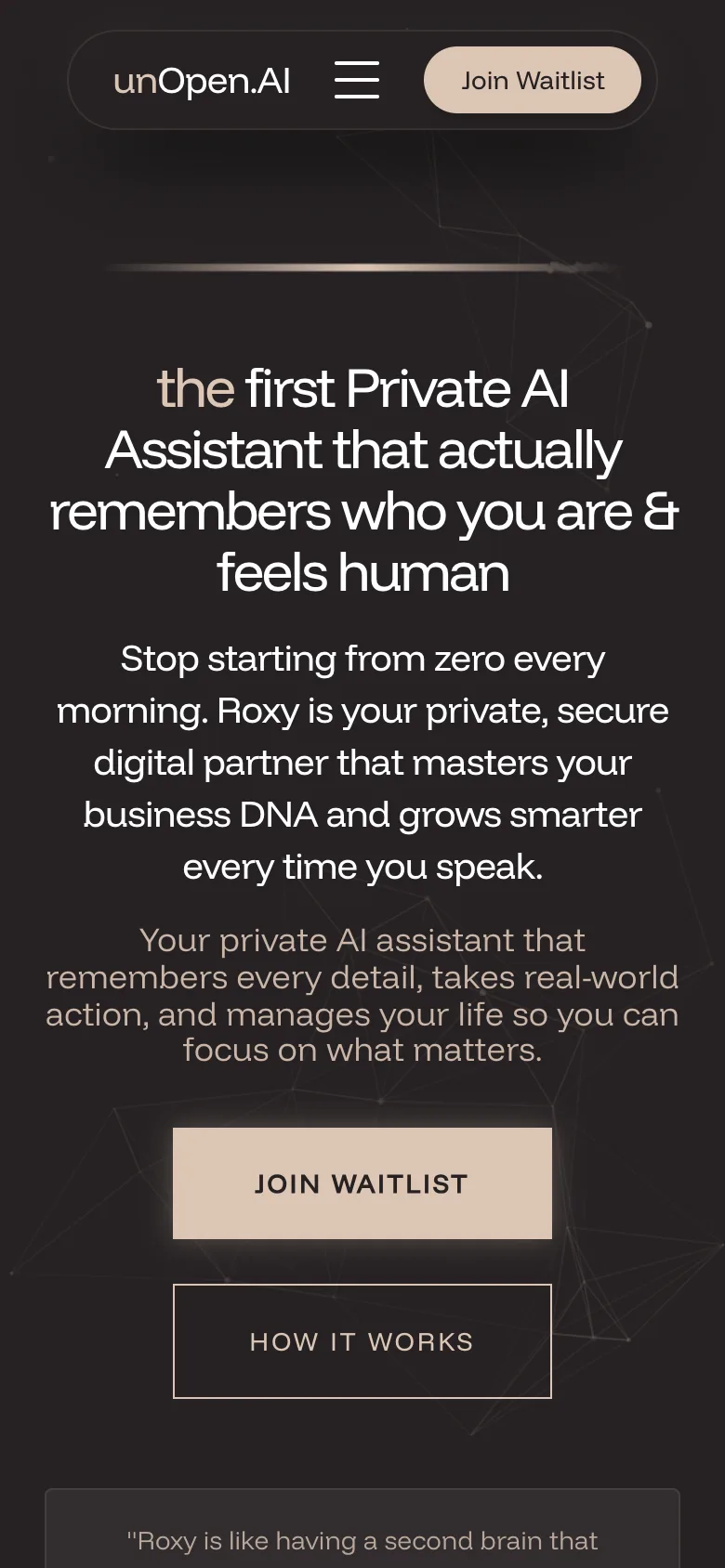
The unOpen.AI homepage on a mobile viewport.
unopen.ai — homepage, 1440×900
Prototype · closed beta

unOpen.AI

In closed beta: Roxy, a private AI assistant with permanent memory running on infrastructure the user owns. Brand, site, product, backend and conversational design.

What we built
  • Brand
  • Site
  • Product
  • Backend
  • Conversational design
Read the case study →
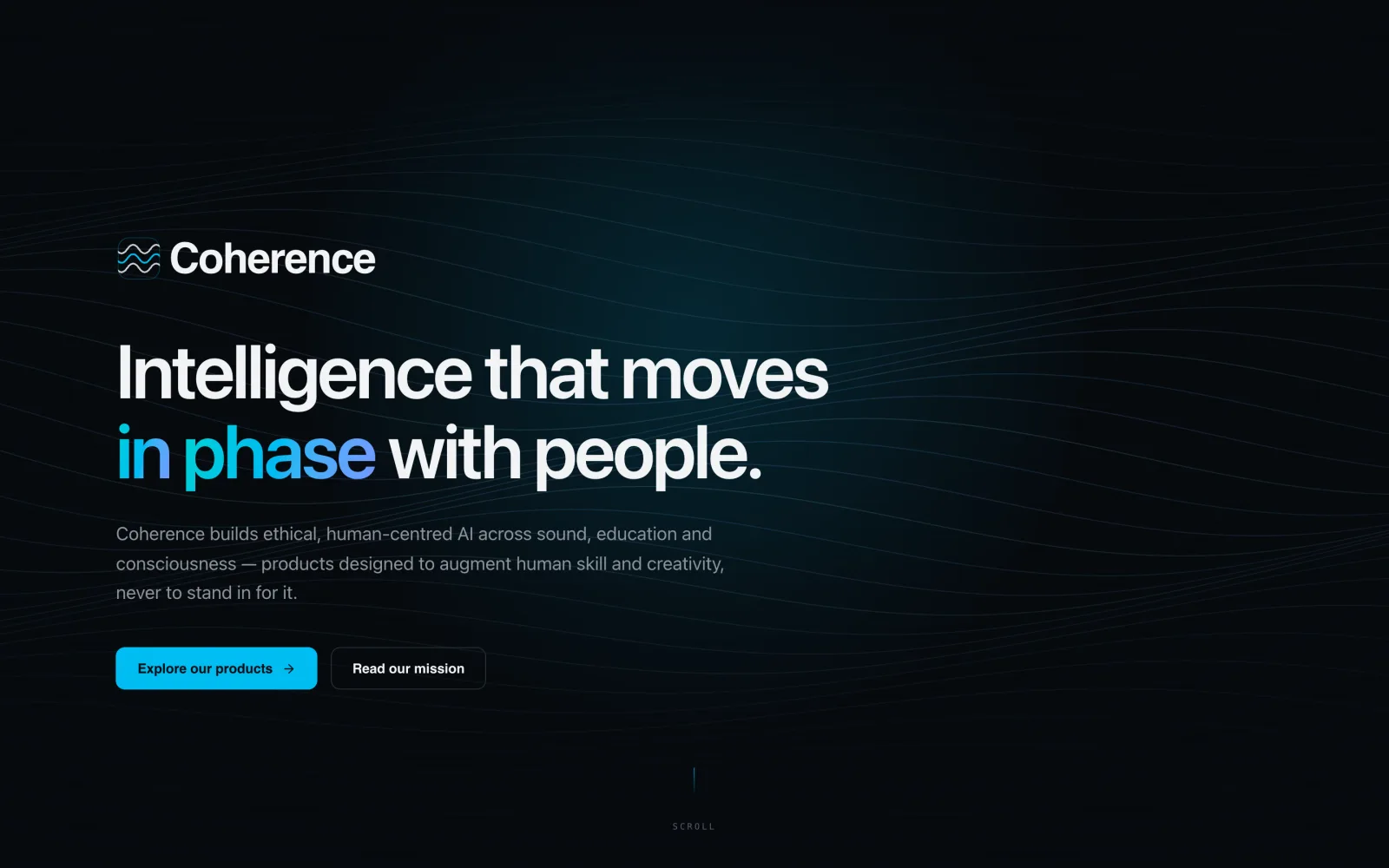
coherence.com on desktop, headed "Intelligence that moves in phase with people".
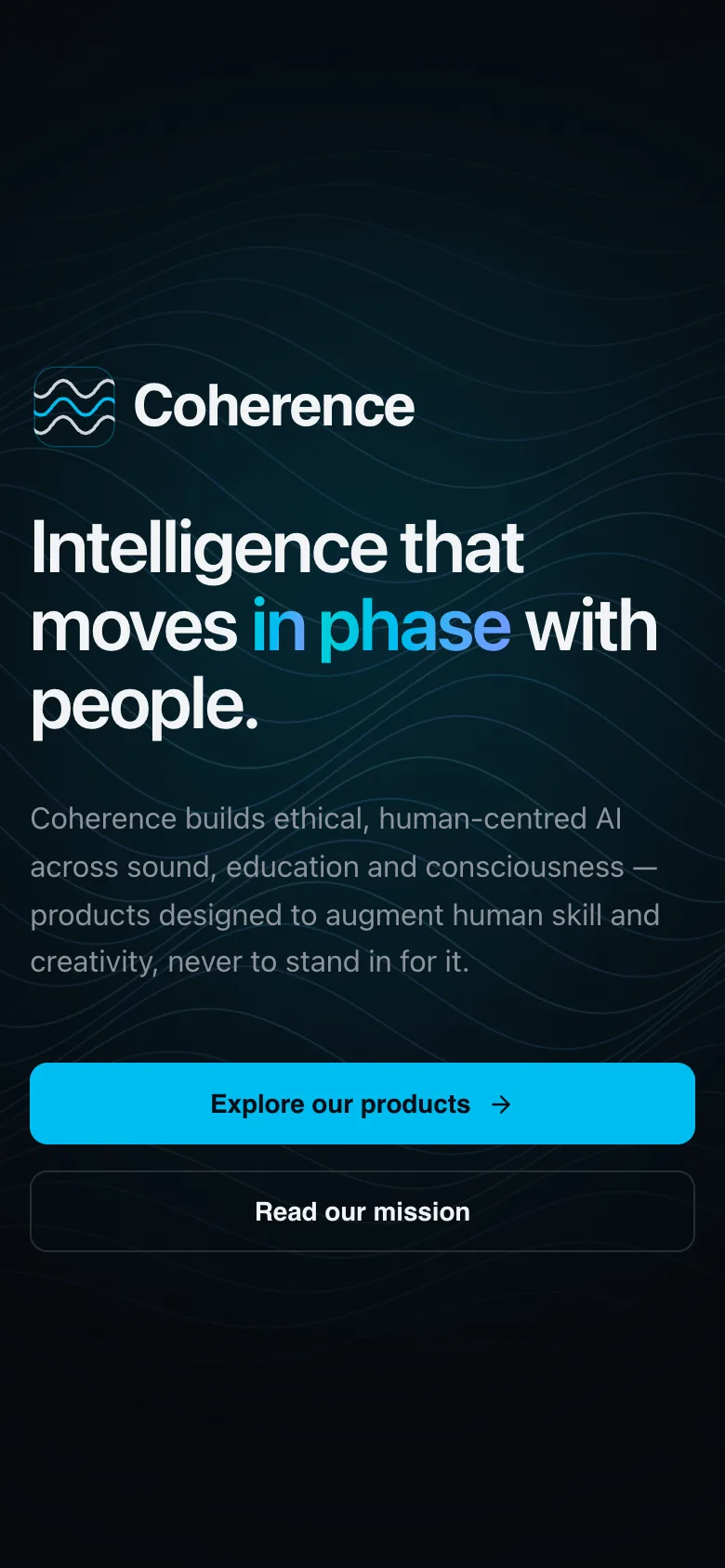
coherence.com on a mobile viewport, reflowed to a single column.
coherence.com — homepage, 1440×900
Live

Coherence

Live at coherence.com: brand identity generated with AI agents we directed, the motion system and website for the group behind Sonora, AboutAI, WakeUp and MudShadows. Agent work remains in build.

What we built
  • Brand identity
  • Motion system
  • Live website
  • Agent work — in build
Read the case study →
The new Domain Booth homepage on desktop: the headline “Premium Domains. Serious Buyers. Proven Results.” beside the animated DB monogram.
The new Domain Booth homepage on a phone, reflowed to a single column.
Our build of the Domain Booth homepage — 1440×900
Live

Domain Booth

Live at domainbooth.com for DomainBooth, a premium domain brokerage: a new animated mark, every page redesigned and rebuilt with designed mobile layouts, and a custom CMS for its sales record, featured names, press and enquiries.

What we built
  • Animated mark
  • Every page redesigned
  • Designed mobile layouts
  • Custom CMS
Read the case study →
Who we have built for

Twenty-one years. Names you know.

Apps, platforms and campaigns for these teams, long before the AI work. Every one is written up on the work page — what we did, and where our part ended.

See all of our work →
  • BBC Good Food logo
  • Charities Aid Foundation logo
  • GAME logo
  • NatWest logo
  • Next logo
  • NSPCC logo
  • Tesco logo
  • Worldpay logo
  • Samsung logo
  • Sony logo
  • Land Rover logo
  • UAP Limited logo
  • Netflix logo
  • Amazon Prime Video logo
  • Mercedes-Benz dealerships logo
  • San Miguel logo
  • Biovene Barcelona logo
  • Seventy7 logo
  • Littlewoods logo
  • Smile logo
  • The Co-operative Bank logo