Microsoft Copilot vs Custom AI: When a General Assistant Is Not Enough
Microsoft Copilot and custom AI agents are not mutually exclusive. This guide helps enterprise teams decide when a general assistant fits and when a workflow needs custom orchestration.
AI-drafted, machine-checked against our published editorial rules, and reviewed on publication. Corrections: [email protected] How we use AI
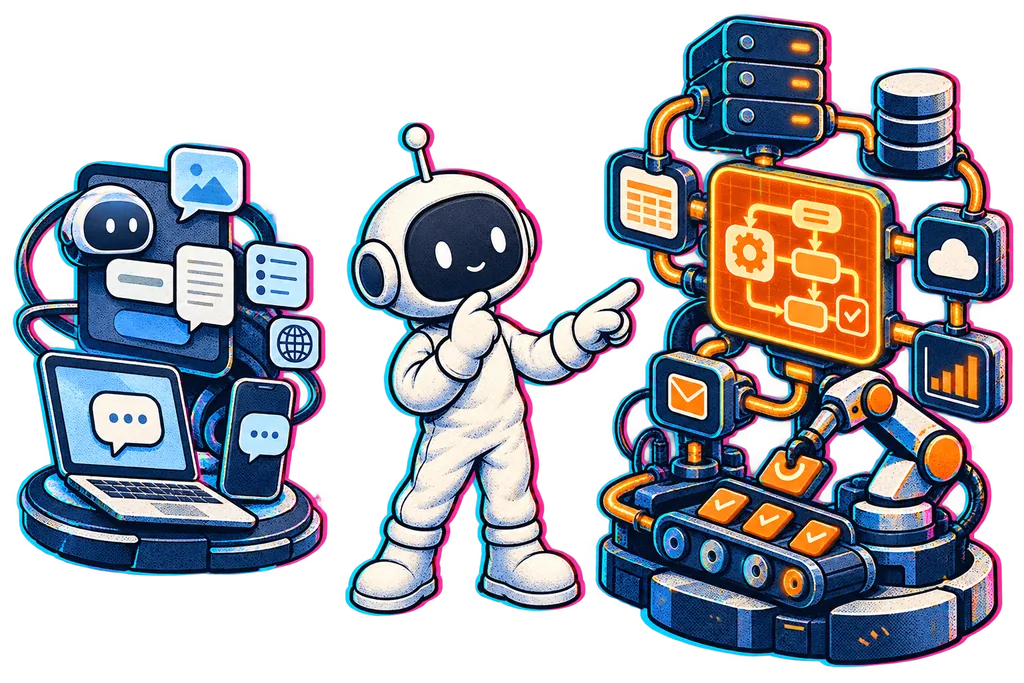
Microsoft Copilot can be a strong starting point for knowledge work inside the Microsoft 365 environment. A custom AI system becomes useful when the job is no longer a general assistant task: it needs to span business systems, follow proprietary rules, act with a scoped identity or provide evidence for a consequential decision.
The choice is not Microsoft Copilot versus custom AI in the abstract. Many sensible deployments use Microsoft’s products as a user surface or a governed integration point while a custom service handles the workflow-specific logic behind it.
When a general assistant is a good fit
Use a general assistant where the job is primarily knowledge work within the existing productivity environment: summarising an authorised document, drafting a response, finding material in a team workspace or helping an employee prepare for a meeting. The task should be low consequence, bounded by existing permissions and easy for a user to review before anything is sent or changed.
Microsoft distinguishes between lightweight agents intended for individuals or small teams and Copilot Studio scenarios that need broader deployment, multi-step workflows, custom integrations or more governance. Microsoft’s current comparison is useful because it frames the decision around audience, functionality and governance—not only model capability.
The boundary: a question versus a business process
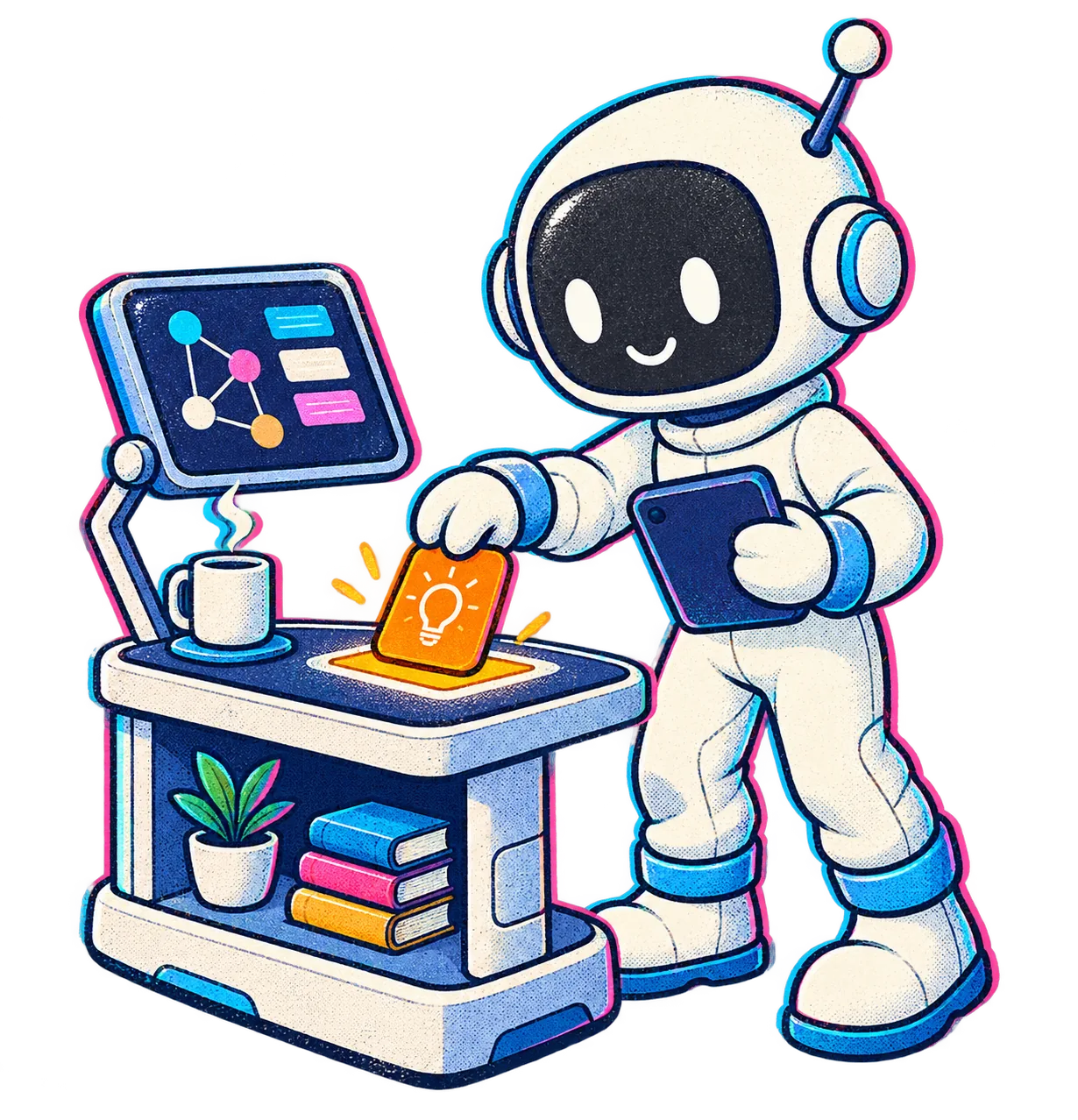
An assistant answers or drafts. A business-process agent receives an event, gathers facts from several systems, applies rules, creates a structured proposal, waits for approval, commits a limited action and records what happened.
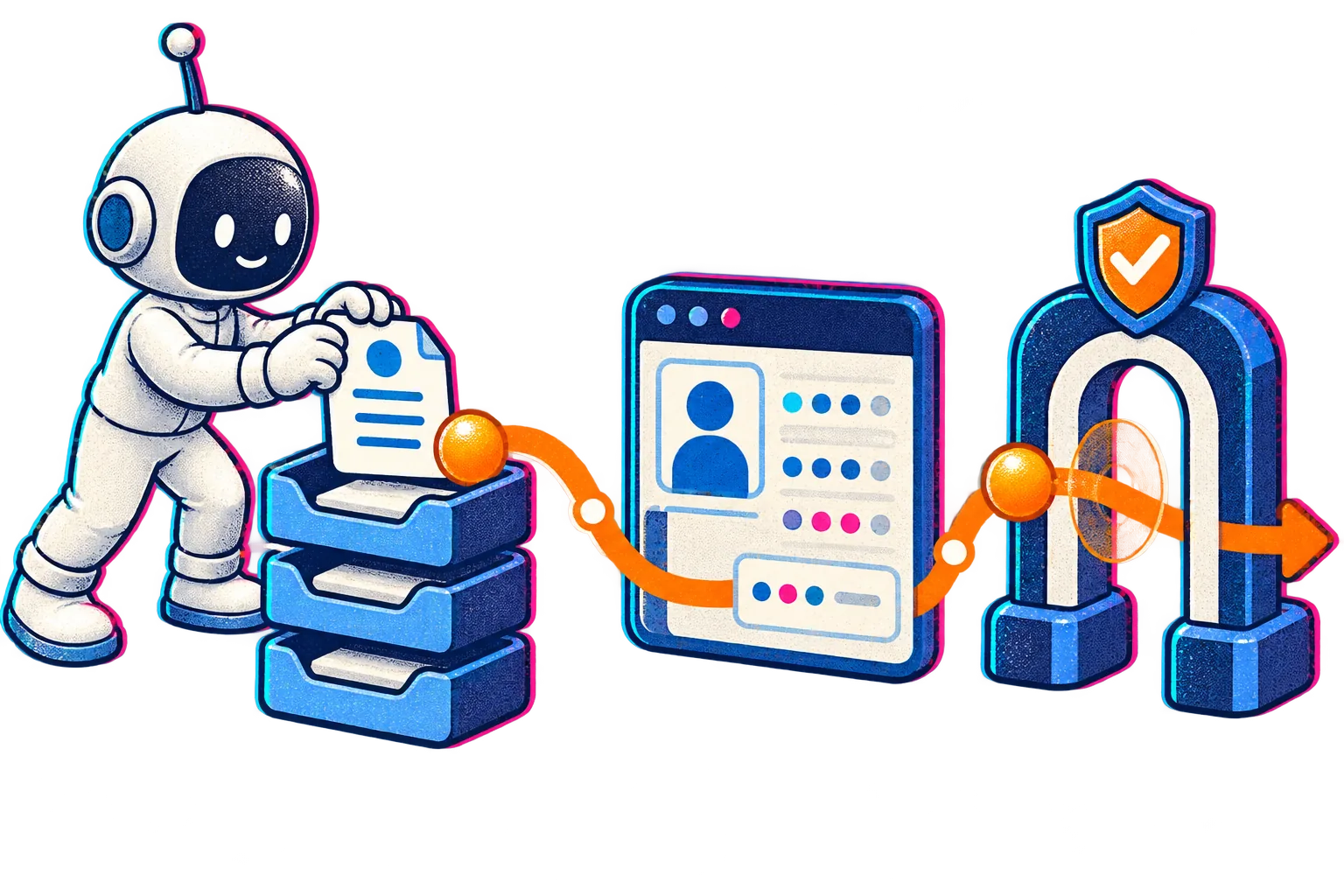
Consider a sales operation. An assistant can help a representative prepare for a call. A workflow agent can enrich a new account, check it against the organisation’s qualification rules, route it to the right territory, create the CRM record and explain why it was accepted or rejected. The latter needs data ownership, connector scopes, idempotency, exception handling and an audit trail. It is an application, not a prompt.
Compare the operating model
Ask these questions before treating either route as the default:
| Requirement | General Copilot-style assistant | Custom workflow system |
|---|---|---|
| Primary job | Drafting, retrieval and individual productivity. | A repeatable process with defined outcomes. |
| Data boundary | Existing collaboration and productivity context. | Multiple systems, private connectors and explicit data contracts. |
| Actions | User-reviewed actions or bounded platform tools. | Validated calls to systems of record with approval gates. |
| Ownership | Platform configuration and administration. | Workflow rules, evaluation cases, connectors and operations. |
| Experience | Productivity surfaces such as Microsoft 365 and Teams. | Any required internal, customer or operational surface. |
Microsoft’s documentation says custom-engine agents are suited to complex workflows, orchestration and specific models, but also notes that they require additional hosting and responsible-AI controls. Its agent overview supports a useful conclusion: a custom build is not automatically better; it adds operating responsibilities that should be justified by the task.
Extend before you replace
There is a middle path. Microsoft 365 Copilot can be extended with agents, knowledge and tools; Microsoft’s documentation notes that custom agents can include instructions, grounding knowledge and REST-described tools. It also warns that tools may be influenced by untrusted content such as email and support tickets, which is why secure connectors and scoped controls matter. See Microsoft’s extension guidance.
For some organisations, the right approach is a custom service exposed through Copilot or Teams. Employees retain a familiar entry point; the custom layer owns the business rule, connector scopes, validation and audit evidence. For others, a dedicated application is clearer because the workflow needs its own queue, roles or customer-facing experience.
Pilot the difficult cases
Do not compare products only on an easy demo. Use a small set of representative cases: an incomplete record, conflicting data, a revoked permission, an unusual request and a downstream system failure. Decide what evidence an operator needs to accept an outcome. Then test whether the proposed platform gives you the control, visibility and recovery path the process requires.
QQuantum.ai’s cross-platform workflow work is for the point where an assistant needs to operate across systems that were never designed to work together. Autonomous employees is the relevant design frame when the goal is a role with a bounded end-to-end responsibility—not another chat window.
The practical decision
Keep Microsoft Copilot for the work it already fits well. Add custom orchestration when a workflow needs a durable state, an explicit business rule, access-aware data, validated action or evidence an operator can review. The two can coexist; the architecture should follow the job.