RAG vs Long Context: How to Choose an Enterprise Knowledge Architecture
Long-context models and retrieval-augmented generation solve different knowledge problems. This guide helps teams choose by freshness, traceability, access control, latency and cost.
AI-drafted, machine-checked against our published editorial rules, and reviewed on publication. Corrections: [email protected] How we use AI
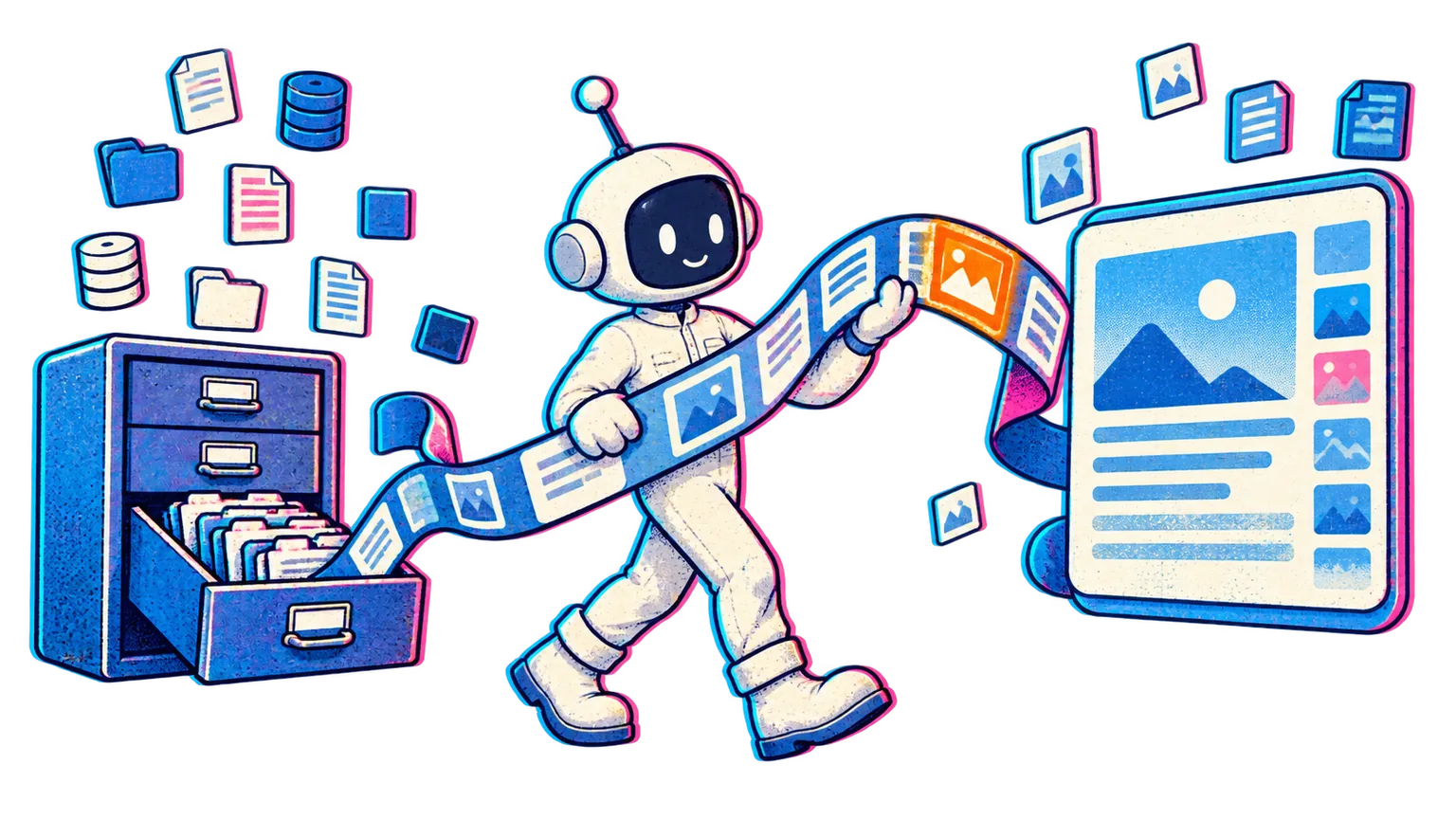
Large context windows have changed what a language model can read in one request. They have not made retrieval-augmented generation (RAG) obsolete. RAG and long context solve different operational problems: one selects and governs evidence; the other gives a model a broad working set. The right choice depends on how often information changes, who may see it, how an answer must be evidenced and what a request can cost.
The short answer
Use long context when a bounded body of material needs to be understood as a whole: a contract pack, a codebase slice, a due-diligence bundle or a meeting archive. Use RAG when knowledge is large, changes frequently, needs metadata filters or must show the reader exactly which source passage supported an answer.
Many production systems use both. Retrieval narrows the corpus to authorised, current material; a long-context model then reasons over the selected evidence and the task history. Google's own guidance makes the same distinction: long context can carry source material directly, while RAG can reduce tokens, time and cost when a workload must scale. Google Cloud's RAG overview is a useful vendor reference for the trade-off.

What RAG contributes that a large window does not
RAG is not simply “put documents in a vector database”. It is a pipeline for deciding what evidence is eligible for a question. A dependable implementation records the source, version, permissions and retrieval query; chunks material in a way that preserves meaning; retrieves candidates; reranks them; and passes the selected passages to the model with instructions for citing or declining when evidence is weak.
That design is useful when documents change. A policy page can be re-indexed when it is updated rather than re-uploaded into every prompt. Metadata can restrict a question to a region, product line, account or effective date. Google’s reference architecture describes ingestion and serving as separate subsystems, with metadata enrichment used to make retrieval more precise and context-aware. Its RAG architecture guide is specific about those two flows.
Retrieval also gives an organisation a practical review surface. An evaluator can ask: did the system fetch the current approved policy? Did it use a source the requesting employee was allowed to see? Did the final answer stay inside the supplied evidence? Those are system questions, not properties of a context-window size.
What long context is genuinely good at
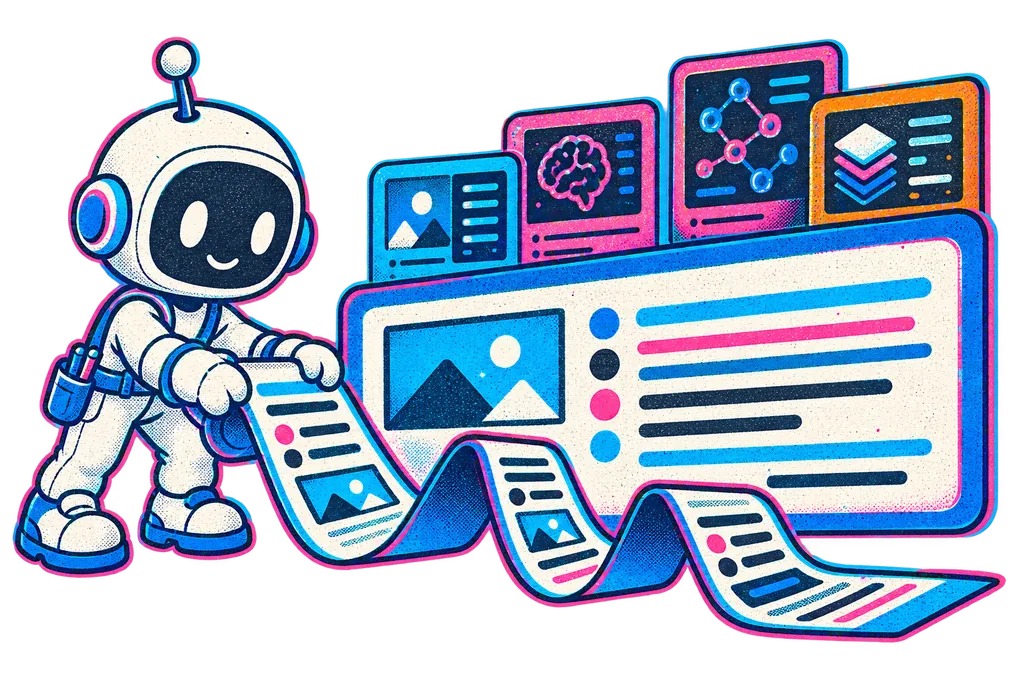
Long context reduces the need to prematurely summarise a bounded set of material. This is valuable when relationships across a whole file matter: comparing a master agreement with schedules, tracing a decision through a long incident record, or understanding how multiple modules interact in a code review.
Google documents a one-million-token context option and describes long context as a way to process a large working set directly. Its guide also notes that older workarounds included dropping material, summarising it or using RAG; those techniques remain useful in cases where full-context input is unnecessary or expensive. The long-context documentation is clear that context is a request-time working set, not durable application memory.
Large input capacity does not answer who may access the input, whether a document is current, or whether a response can cite its evidence. It can also be the wrong economic choice when the same question only needs three short passages from a corpus of thousands of documents.
Choose with a workload test, not a model preference
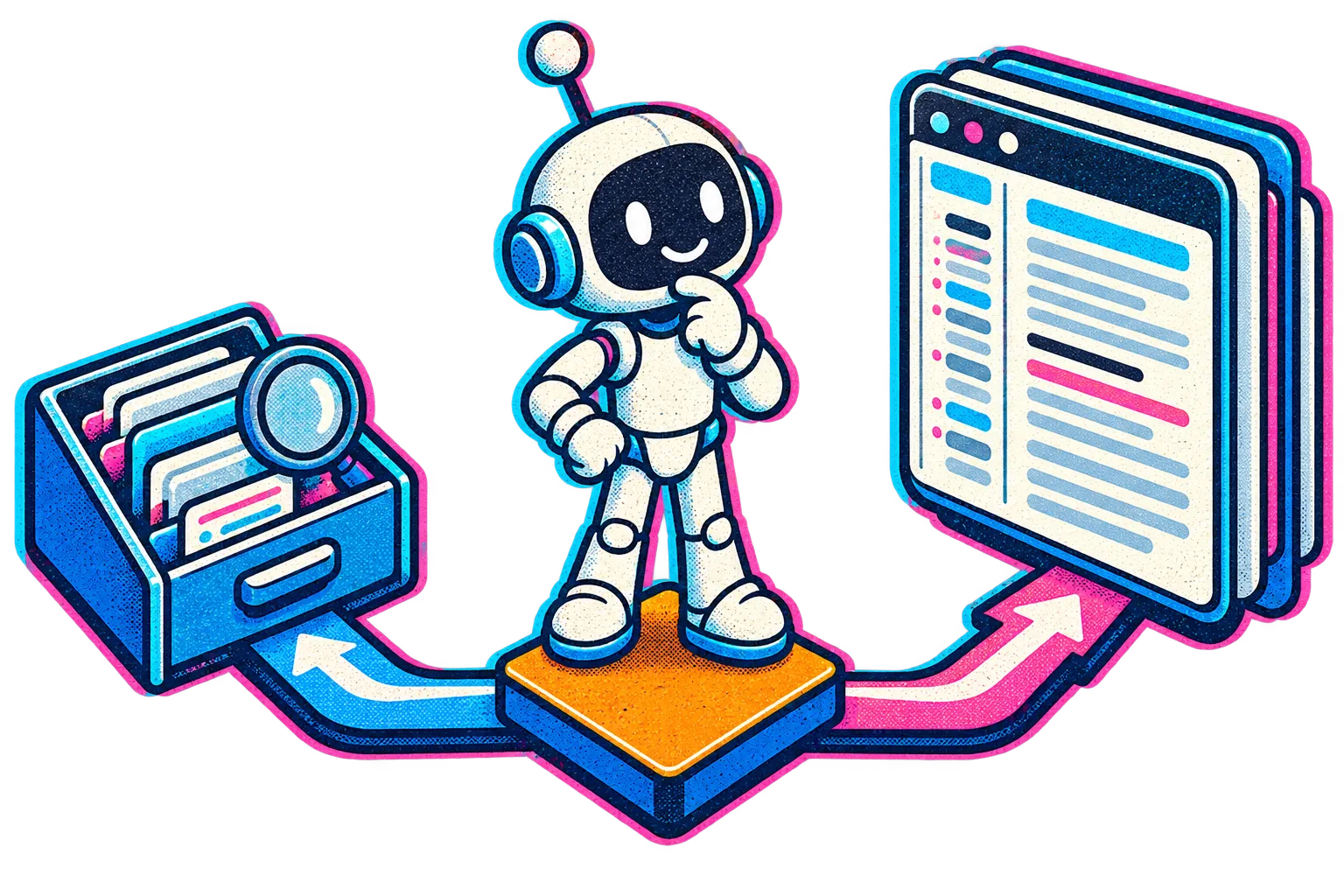
Start with representative questions and score each architecture against five criteria:
| Decision | Retrieval tends to help when… | Long context tends to help when… |
|---|---|---|
| Knowledge changes | Updates must become available quickly. | The input is a fixed, bounded bundle. |
| Evidence | Users need source passages and version tracing. | The task is synthesis across the complete bundle. |
| Access | Results require metadata and per-user filtering. | All supplied material has the same access boundary. |
| Scale | The corpus is much larger than a practical request. | The working set fits comfortably in one request. |
| Cost | Most questions need a small amount of evidence. | Repeated retrieval or chunking would distort the task. |
A practical pattern for an internal policy assistant is retrieval first: filter by the employee’s business unit and country, retrieve and rerank the current policy passages, then use enough context for reasoning, answer drafting and citations. A practical pattern for a one-off acquisition review is different: assemble the approved deal room, give the model the whole bounded pack and require a structured list of uncertainties for human review.
Build the control plane around either choice
Neither pattern should expose raw documents to an unrestricted chat interface. The application still needs identity, data connectors, retention rules, evaluation cases, logging and a way to recover from a failed task. QQuantum.ai’s RAG systems work focuses on traceable private-corpus answers; custom orchestration is where routing, permissions and verification are designed around the actual workflow.
The decision is not RAG or long context as an article of faith. It is what combination gives the user the right evidence, at the right boundary, at a cost and latency the workflow can sustain. If you are deciding between the two for a real internal system, talk to QQuantum.ai with one representative workflow and its source material. That is enough to design a useful pilot.